600 clinic staff a month: the MHCS appointment translator
Around 600 clinic staff a month use the appointment translator we built with NSW Multicultural Health Communications Service (MHCS), generating PDF, SMS and calendar reminders in 50+ languages. That number isn't huge by tech-product standards, but the use case is narrow on purpose. Each of those 600 sessions is a clinician spending a few extra minutes to send a follow-up appointment reminder a patient will actually read.
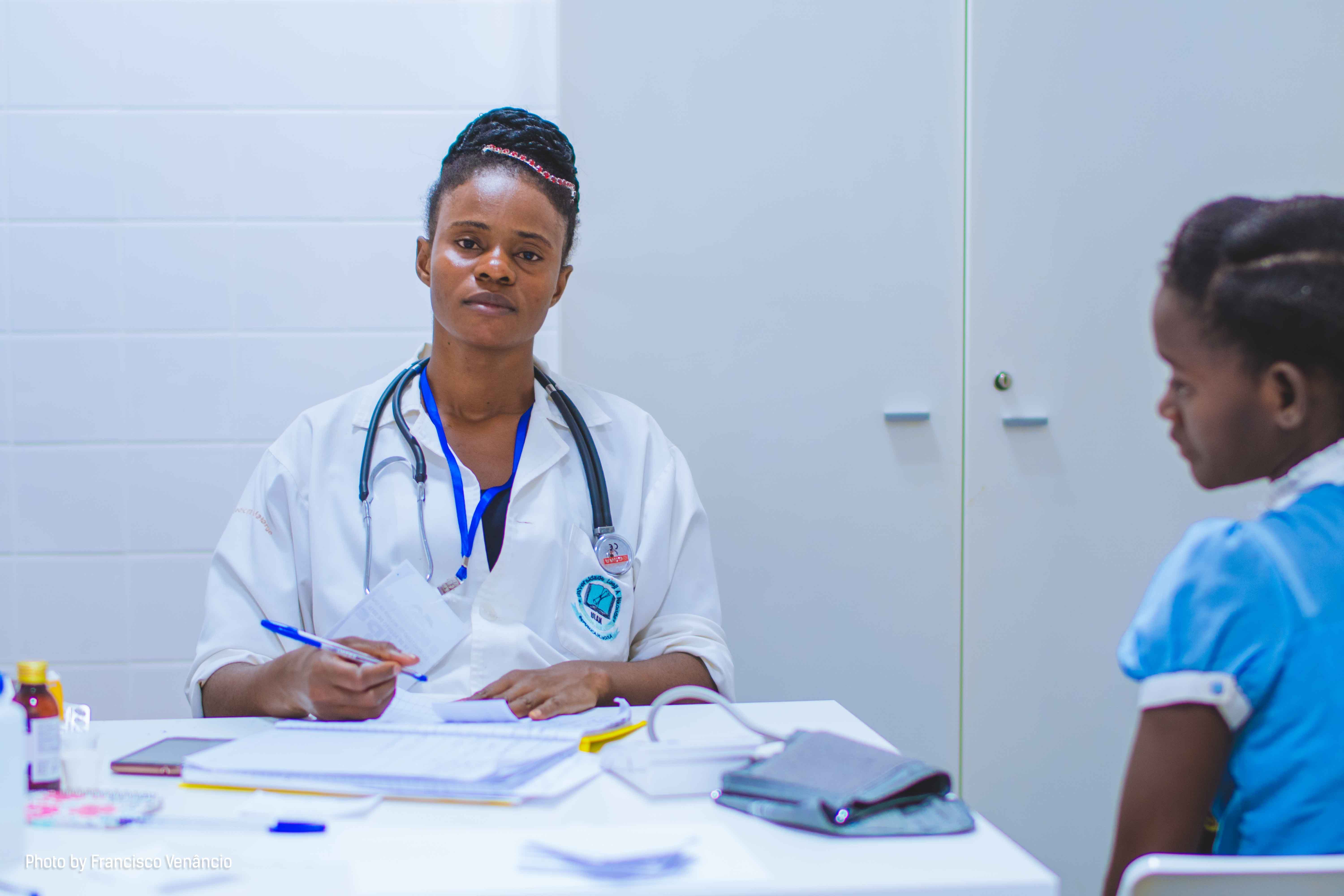
The full project writeup is on the case study page — what we built, how, who funded it. This post is about what changed for the doctors after launch.
The problem doctors used to solve manually was real. A patient comes in with limited English. The consult itself is handled by an interpreter. But the follow-up — the appointment letter mailed home, the SMS reminder a fortnight later — was in English. Patients missed appointments. Costs went up. Conditions worsened. The doctor had no good way to fix it.
What the tool changed: a clinician picks the patient's preferred language from a dropdown, enters the next appointment date, address, time. Out comes a PDF the patient can print and stick on the fridge, an SMS they can show at reception, and an iCal attachment for whoever in their family handles the calendar. Right-to-left languages render right-to-left automatically.
The "600 a month" number is the part that matters. It means the tool is in regular use — not a pilot, not a press release, not something a doctor uses once and forgets. Six hundred follow-up appointments a month that are more likely to happen because the reminder is in a language the patient reads.
We built the data layer so MHCS could update PDF / SMS / email templates themselves as best-practice guidance evolved, without coming back to us. The system stores nothing about the patient after the reminder is sent — privacy was a hard requirement.
It's a small tool by build scale. It's a useful tool by what it does for the work clinicians are already doing.